One of the American West's most authentic historic districts pairs mining heritage, Victorian architecture, and fascinating local stories.
Are you a traveler who loves history? Then Telluride deserves a place on your bucket list. Yes, there are many towns across the country filled with historic charm and beautifully preserved buildings, but here it's about more than preserving individual landmarks. It's also about preserving the entire experience of stepping into a former mining town.
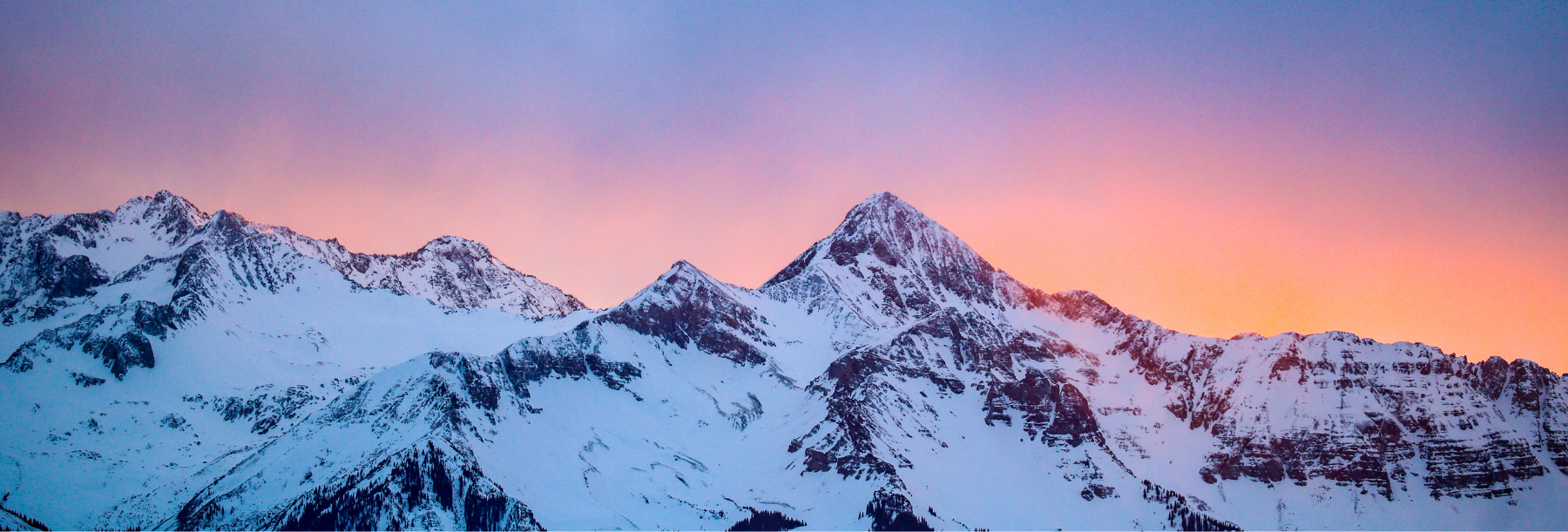
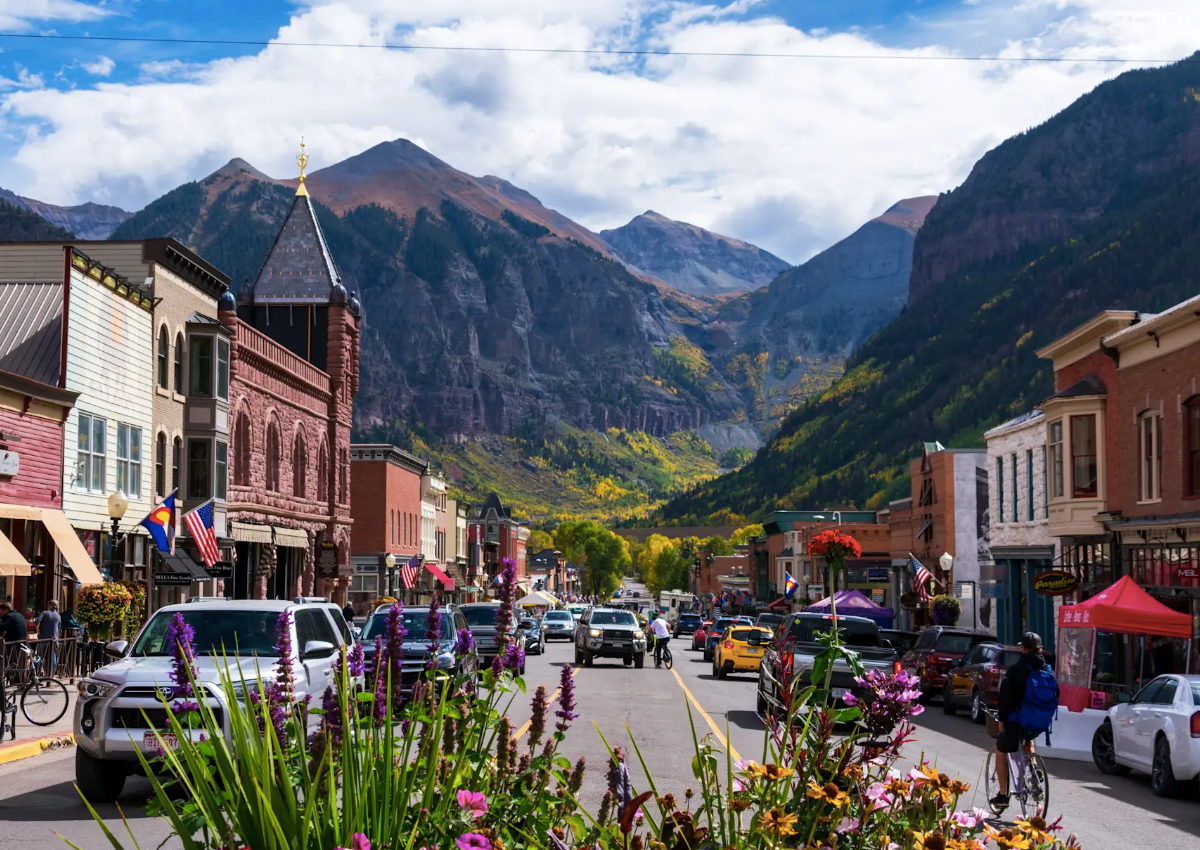
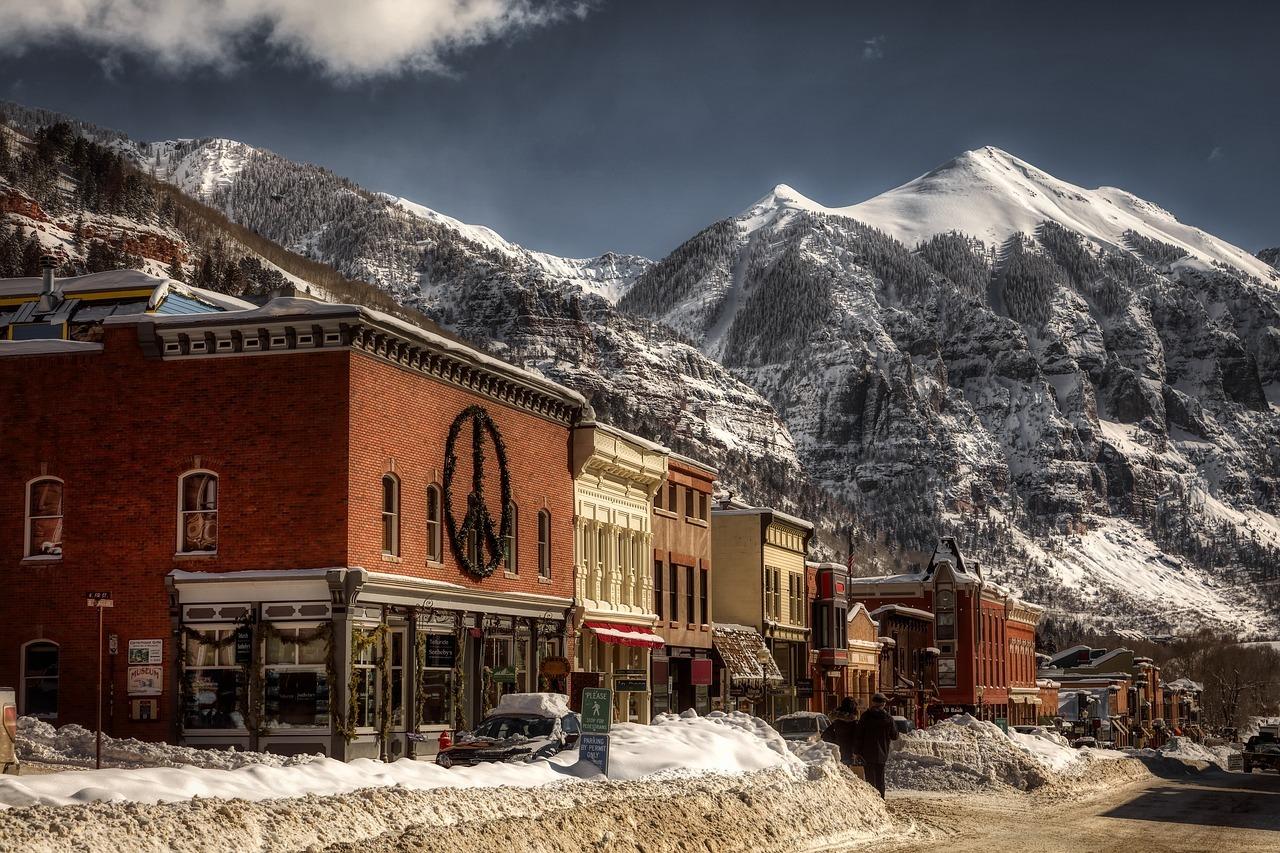
Walking through Telluride Historic Downtown is like going back in time. Its Victorian architecture, mining-era landmarks, cultural institutions, and remarkably intact streetscape create one of the most authentic historic districts in the American West. The cherry on top? A backdrop of towering, snow-peaked mountains. It doesn't get much more charming than this, does it?
In this guide, I've put together a list of the must-see historical spots in Telluride Historic Downtown and beyond this historic district, along with some interesting information about the history of this beloved Colorado destination.
About Us:
At Lodging in Telluride, our selection of vacation rentals suits every kind of traveler, and each has its own charm. Hike the mountains, browse the shops, grab dinner on Main Street, then come back to a place that feels like home. We care for each property like it’s our own and make sure our guests feel just as looked after.
Looking for local tips? Our destination blog is packed with them: coffee spots, waterfalls, bike trails, and more. You’re in good hands!
A Mining Town That Refused to Disappear
Here's a quick glimpse into Telluride's fascinating history before we jump into the historic spots:
Long before miners arrived, the valley served as a summer hunting ground for the Ute people, who referred to it as the "valley of hanging waterfalls." Gold discoveries in the surrounding mountains during the late 19th century sparked a rush of prospectors into the area, leading to the founding of the town in 1878.
Originally called Columbia, the settlement was renamed Telluride in 1887. By the end of the century, the town had grown into one of Colorado's most important mining centers, producing gold, silver, lead, and zinc from the surrounding mountains. The arrival of the Rio Grande Southern Railroad in 1890 transformed the once-isolated camp into a bustling community with more than 5,000 residents.
Telluride also witnessed several remarkable moments in American history. In 1889, Butch Cassidy carried out his first bank robbery here. Two years later, the nearby Ames Hydroelectric Generating Plant introduced the world's first commercial-grade alternating current power system, helping revolutionize the use of electricity in mining operations.
Mining eventually declined, and by the mid-20th century the town was edging toward ghost-town status. Instead of disappearing, however, Telluride reinvented itself and preserved much of what made it unique.
A National Historic Landmark District
One of the reasons Telluride retains so much of its character today is its designation as a National Historic Landmark District in 1964. This prestigious recognition is reserved for only a small percentage of historic properties in the United States and was granted to protect the town's remarkable architectural and historical integrity.
The designation acknowledged Telluride's importance as a major mining center and its extraordinary collection of preserved late 19th-century buildings. At a time when many former mining towns were demolishing historic structures in pursuit of redevelopment, Telluride chose a different path.
The result? A downtown that still conveys the atmosphere of a Western boomtown and remains an active, vibrant community.
What Architecture Can You See Downtown?
One of the joys of exploring Telluride is seeing how its architecture tells the story of the town's evolution.
Victorian buildings dominate much of the historic district. Elegant homes, decorative storefronts, and stately brick structures reflect the prosperity that mining brought during the late 1800s. Many retain their original proportions, details, and materials.
Along Colorado Avenue, Telluride's main street, you'll see classic false-front commercial buildings that were common throughout the American West. Their taller street-facing facades gave businesses a more substantial appearance than the simple structures behind them.
Wooden sidewalks, clapboard facades, brick hotels, and stone civic buildings contribute to the town's unmistakable Wild West character. In certain parts of downtown, you can even find surviving "cribs," small wood-frame structures associated with Telluride's former red-light district.
Several buildings showcase the transition from a rough mining camp to a permanent town. Early tents and log structures gradually gave way to durable brick and stone construction, many examples of which still stand today.
Must-See Historic Places in Downtown Telluride
Telluride Historical Museum
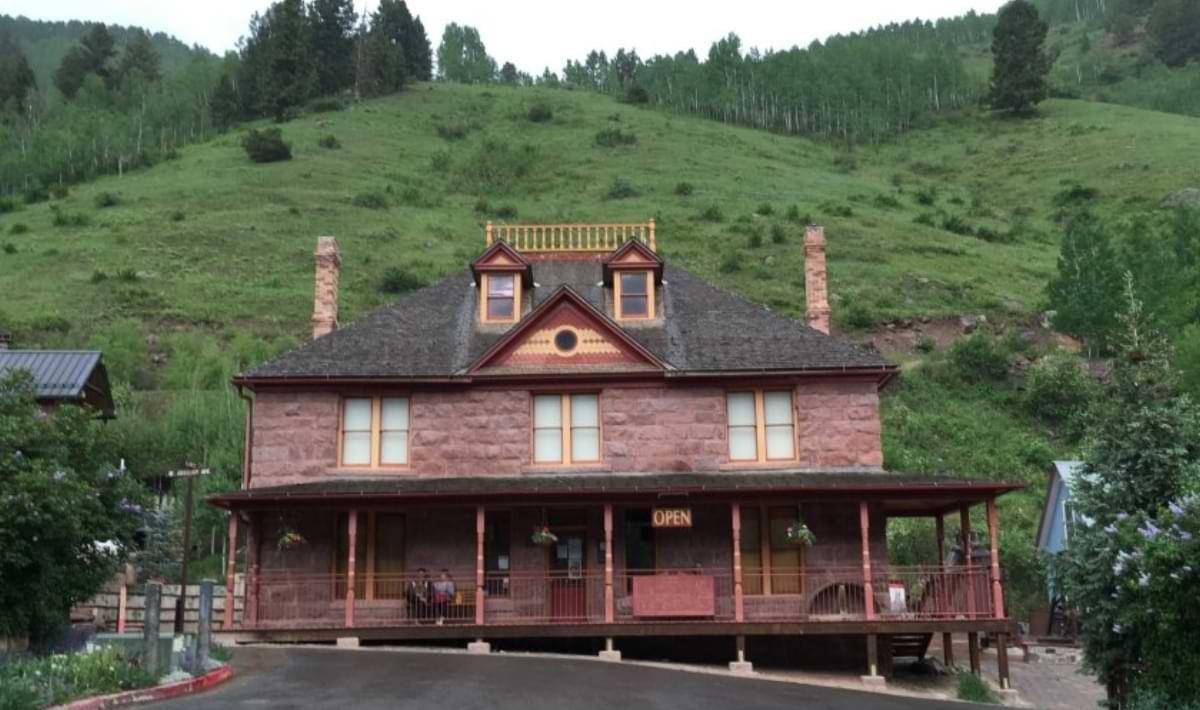
Starting with the Telluride Historical Museum is the best introduction you can get to the town's past. Housed inside the restored Hall's Hospital, which opened in 1896, the museum explores everything from Ute history and mining to skiing and local disasters.
Inside, you can browse ten rooms of exhibits, while outdoor displays feature mining equipment, headframes, and ore-processing machinery. It's also the best place to pick up resources for a self-guided walking tour.
New Sheridan Hotel and Sheridan Bar
The New Sheridan Hotel has been welcoming guests since the 1890s and is one of Telluride's most iconic landmarks.
Rebuilt in brick after a fire destroyed the original structure, the hotel preserves many historic details. Next door, the Sheridan Bar is also worth a stop for its original mahogany paneling, lead-glass dividers, and hand-carved cherry wood bar imported from Austria in 1895.
Even if you're not staying overnight, it's worth stepping inside for a look.
Sheridan Opera House
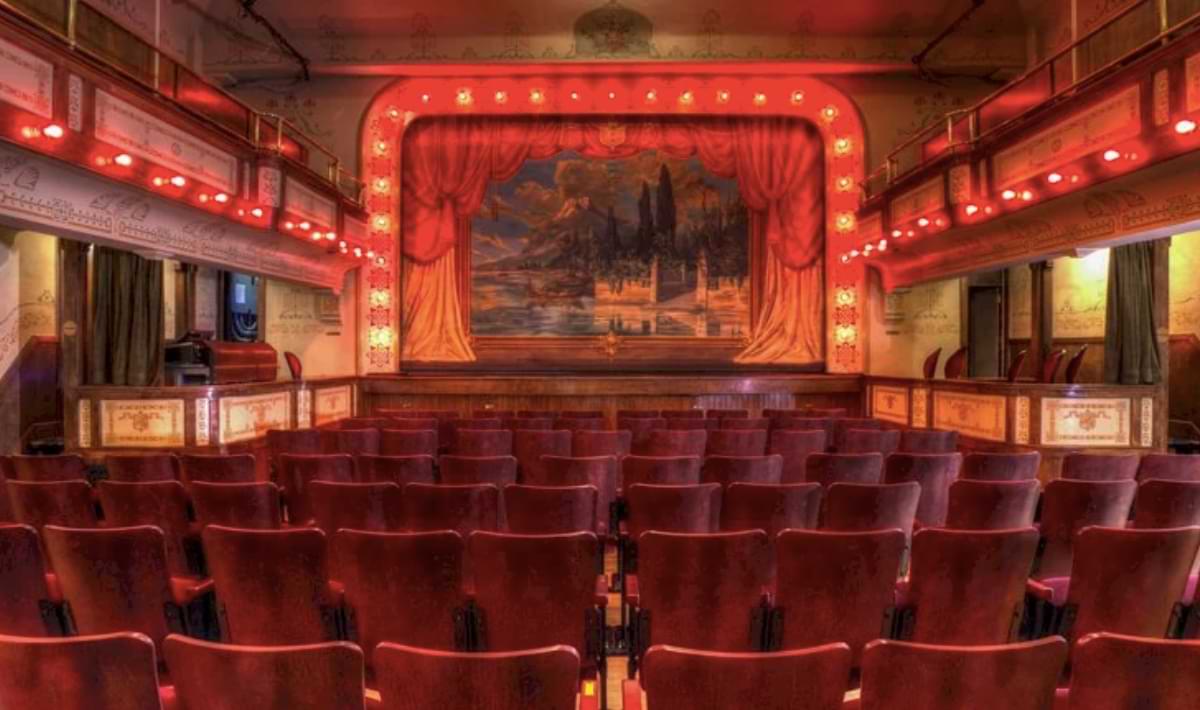
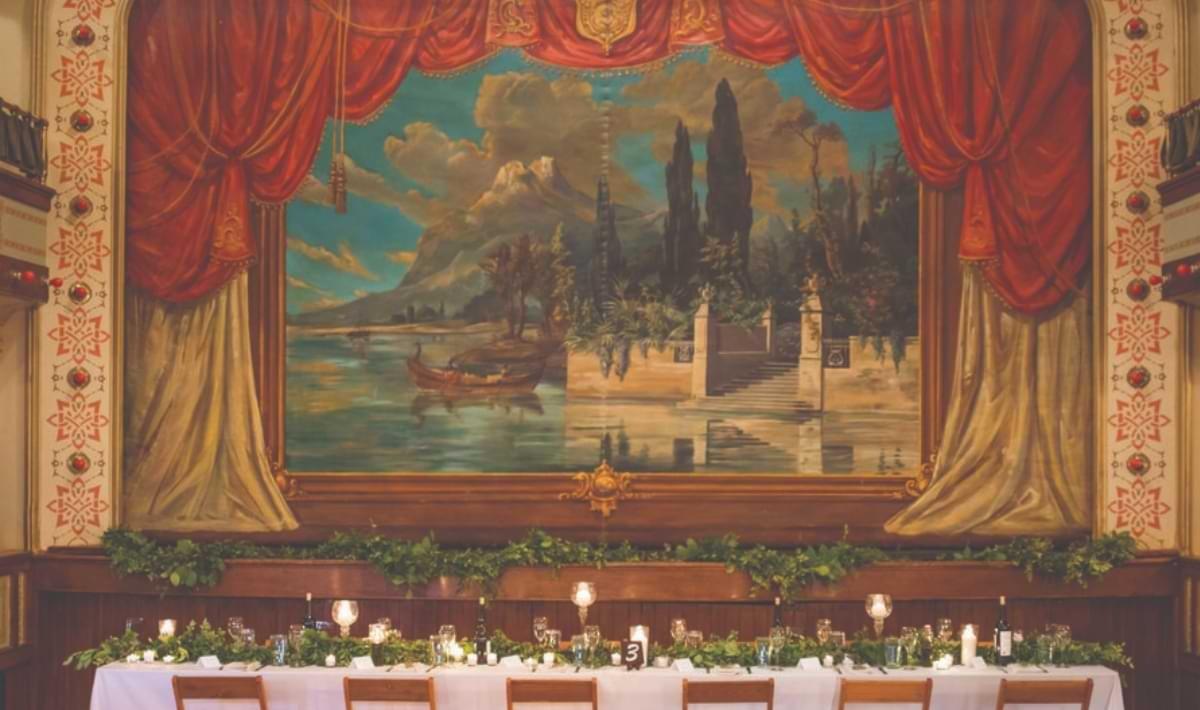
Built in 1913 by local miners, the Sheridan Opera House is another cultural treasure of Telluride.
Originally constructed as a vaudeville theatre and gathering place, the intimate venue continues to host concerts, films, and performances more than a century later. Its survival is quite remarkable, having been rescued from demolition in the early 1990s.
San Miguel County Courthouse
Standing prominently at the corner of Colorado Avenue and Oak Street, the San Miguel County Courthouse is, I would say, the building that most impresses visitors.
The original courthouse was built on the south side of West Colorado Avenue in 1886, but it burned down shortly after it was finished. The present courthouse was constructed less than a year later on the opposite corner using bricks salvaged from the original building.
Today, the courthouse showcases the substantial brick architecture that arrived as the town matured and prospered, as well as ornate interiors and exteriors worth taking a close look at.
The Site of Butch Cassidy's First Bank Robbery
History buffs should make a quick stop at the site of the San Miguel Valley Bank, where Butch Cassidy carried out his first major robbery in 1889.
The original bank building no longer survives, but the location on Colorado Avenue marks the beginning of one of the most famous outlaw careers in the American West.
Popcorn Alley and the Sporting District
For a glimpse into Telluride's less polished past, wander through Popcorn Alley along Pacific Street.
This former red-light district contains some of the town's most unusual historic structures, including the surviving "cribs" once used by prostitutes. Nearby buildings such as the Silver Bell and The Senate offer reminders of a lively frontier town that operated well beyond the mining industry.
St. Patrick's Catholic Church
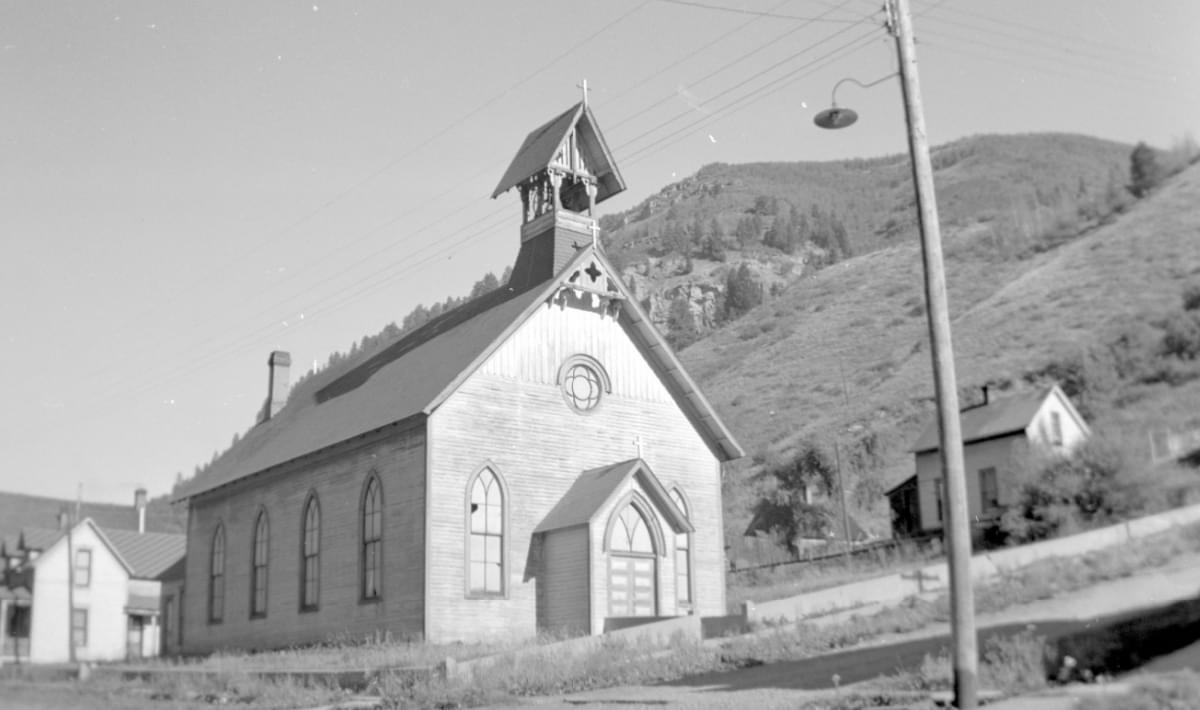
Built in 1896, St. Patrick's Catholic Church is a charming little structure boasting notable features such as hand-carved Stations of the Cross crafted in Austria's Tyrol region, reflecting the diverse immigrant communities that helped build the town.
Lone Tree Cemetery
Lone Tree Cemetery is Telluride's first cemetery and is located at the far east end of town on Colorado Avenue. Here, you'll get a touching glimpse into the harsh realities of life in a mining community. Its gravesites serve as a historical record of the various hardships and tragedies that claimed the lives of early residents, including avalanches, mining accidents, labour conflicts, and the 1918 influenza pandemic.
The Best Way to Explore It All
You won't need a car for this one. Telluride's historic district spans just twelve blocks by eight blocks.
You can join guided walking tours led by local historian Ashley Boling during the summer months or follow one of several self-guided routes available through the Telluride Historical Museum. Historical plaques throughout downtown provide context for many buildings, parks, and landmarks.
A leisurely walking tour typically takes around two hours, though many visitors happily stretch it into an afternoon.
Where Else Can You Experience Telluride's History?
The story doesn't end at the edge of downtown.
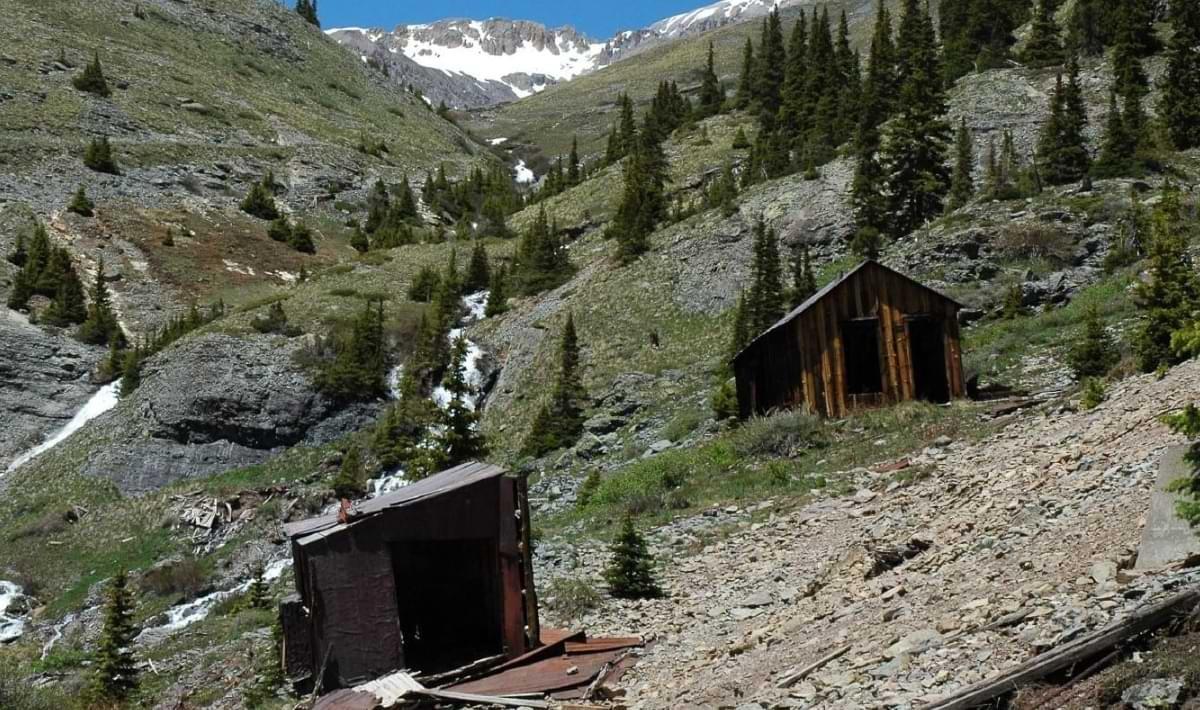
The mountains surrounding Telluride are also home to remnants of the mines that built the town. One of the most fascinating destinations is Tomboy Ghost Town, once home to more than 900 residents during the mining boom. Today, you can explore the remains of the settlement high above the valley.
At the eastern end of town, the Idarado Legacy Trail follows part of Telluride's mining history through interpretive displays and historic sites. The trail also leads toward the Pandora Mill area, where ore from the surrounding mines was processed.
Bridal Veil Falls offers another historical connection. Above Colorado's tallest waterfall sits a historic power plant that recalls the engineering achievements that helped power Telluride's mining economy.
For those interested in technological history, the nearby Ames Hydroelectric Generating Plant is where the world's first commercial-grade alternating current power system proved the future of electricity.
Ready for Telluride and Its Fascinating History?
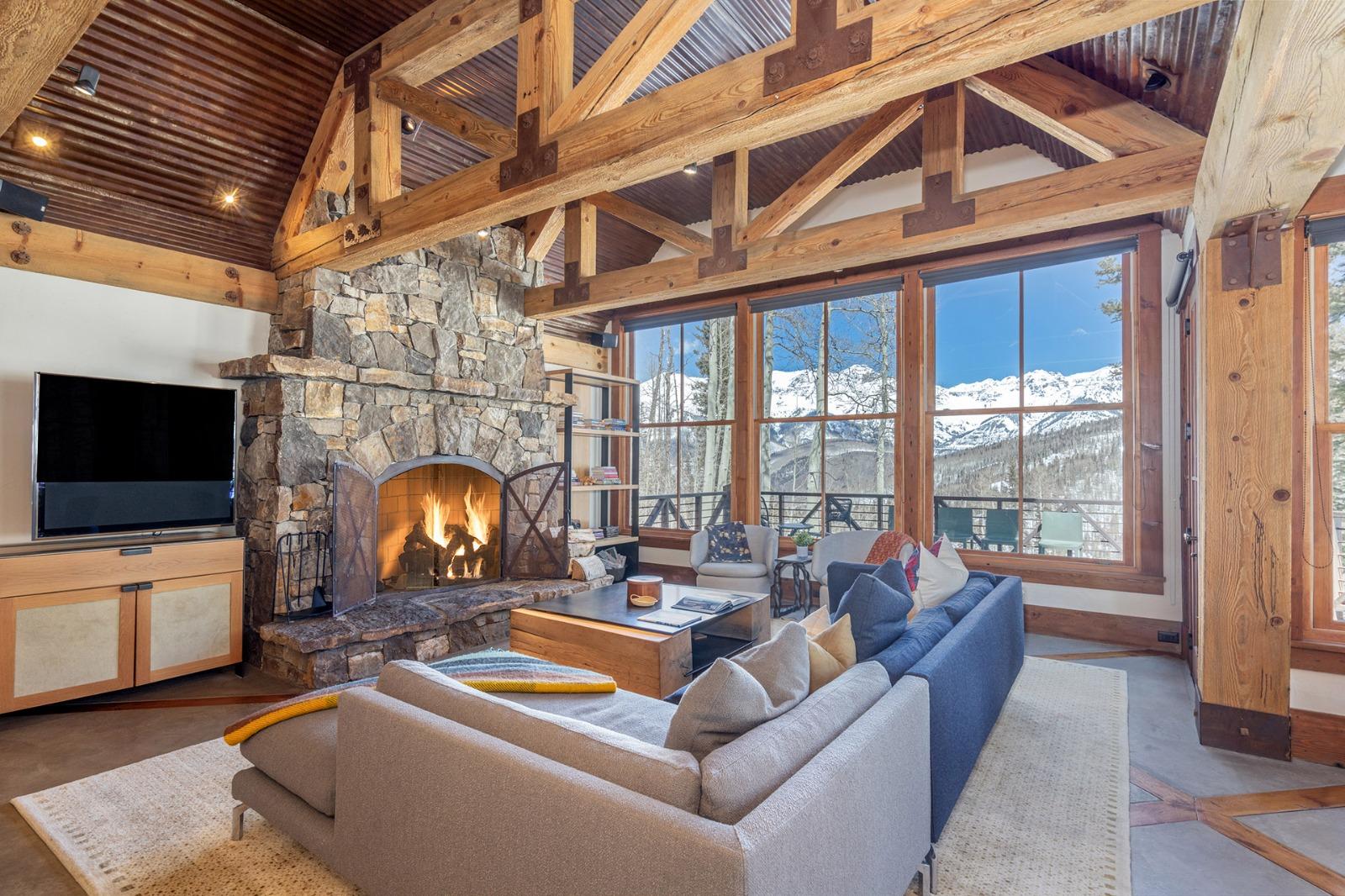
When your travel plans point to Telluride and you’re after a stay that’s stylish, comfy, and close to all the good stuff, Lodging in Telluride has just the place. From cozy condos to luxe mountain homes, our rentals come packed with the perks that make vacations extra memorable. Reach out to find the perfect spot for your crew. We’re here to help you land a stay you’ll love.