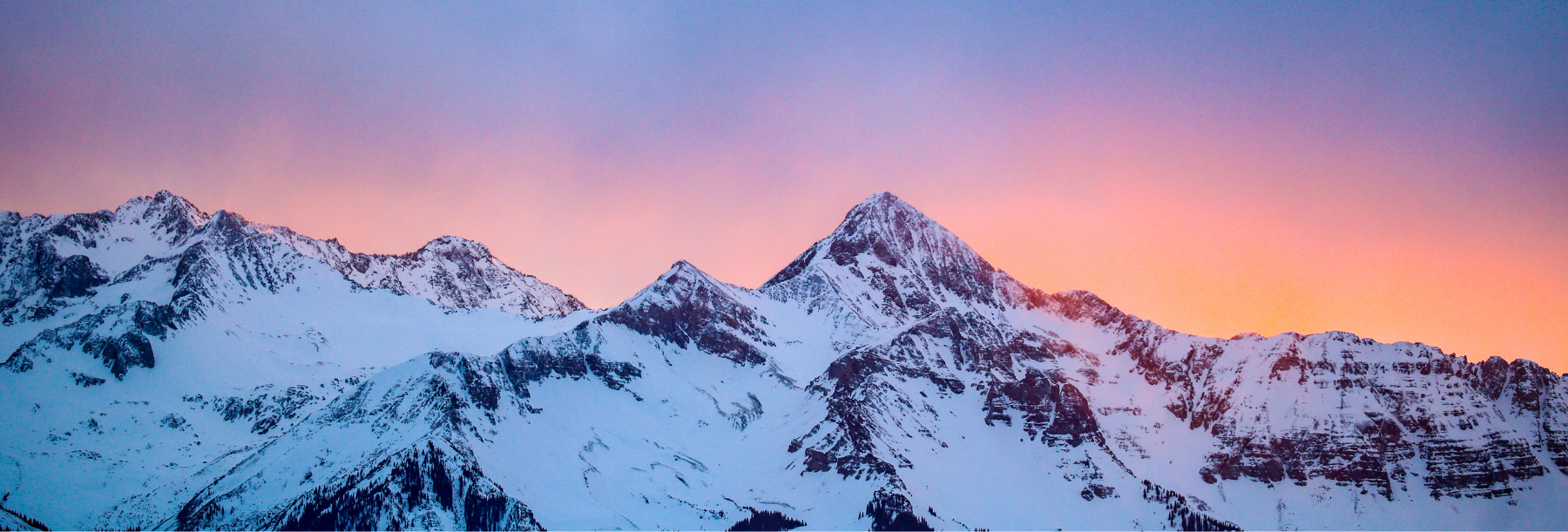
Telluride is one of the great ski mountains in North America, and it is also genuinely serious terrain. The summit sits at 13,150 feet. Roughly 41 percent of the trails are rated advanced or expert. There is hike-to terrain that will humble people who ski 40 days a year.
None of which should scare you off. It should just mean you show up informed. Ninety percent of mountain safety is knowing five or six things before you clip in, and most visitors know two of them.
Telluride Ski Resort runs November 26, 2026 through April 4, 2027. Here is what to have in your head before opening day.
Save These Numbers Before You Get Here
Do this now, while you are reading, not while you are standing over someone in a tree well.
- Emergency: call or text 911. This is the first move for any serious injury or emergency, on or off the mountain. Texting works when a call will not connect, which matters in a canyon.
- Ski Patrol: (970) 728-7585, or flag down the nearest lift operator, who can reach patrol immediately by radio.
- Report reckless skiing or riding: (970) 728-7569
- Telluride Marshal's Office: (970) 728-3818
- Resort information: (970) 728-6900
- Lodging In Telluride, 24/7 guest line: 888-998-6471
Also worth knowing: note the number of the nearest lift or trail marker if you need to report a location. "Somewhere on the front side" is not a location. Trail signs and lift tower numbers are how patrol finds you fast.
Your Responsibility Code: The Seven Rules That Matter
This is not corporate boilerplate. It is the actual legal and practical framework for skiing in Colorado, and it is enforced here.
- Always stay in control. You must be able to stop and avoid people and objects. If you cannot, you are skiing too fast for your ability, regardless of what the terrain rating says.
- People ahead of you have the right of way. It is your responsibility to avoid them. Full stop. The person downhill cannot see you.
- Stop where you are visible and out of the way. Never below a rise, never in the middle of a run, never just past a roller where nobody can see you until it is too late.
- Look uphill and yield when starting or merging. Every time you drop in or join a trail.
- Use devices to prevent runaway equipment. A loose ski is a projectile.
- Obey all signs, ropes, and closures. More on this below, because in Colorado this one is criminal law, not etiquette.
- Know how to load, ride, and unload every lift before you get on it. If you are unsure, tell the lift operator. They would far rather slow the lift than scrape you off the ramp.
One more, and it is the one people skip: do not ski or ride impaired. Apres is a Telluride institution and we have written a whole guide to it, but the order of operations matters. Ski first. Drink after. Alcohol at 10,000 feet hits considerably harder than it does at home, and it degrades exactly the judgment and reaction time you need on a crowded run at 3:00 p.m.
Enforcement is real. Telluride runs an active safety program, and reckless skiing or ducking ropes can cost you your resort privileges for an extended period along with a formal trespass notice. Rangers and patrol do pull passes.
Ropes and Boundaries: This Part Is Actually the Law
Read this section twice if you read nothing else.
Under the Colorado Ski Safety Act, Telluride assumes no responsibility for anyone beyond the ski area boundary. Terrain outside the boundary is not patrolled and not avalanche controlled. Avalanche danger and other hazards exist. You are solely responsible for your own safety and welfare out there, and backcountry rescue, if it is available at all, will be expensive and may take a long time to reach you.
And to be completely clear: it is against Colorado law to cross any rope at Telluride Ski Resort. Violators are prosecuted.
Ropes and closure signs are not suggestions, and they are not there because the resort is being cautious about a run that is basically fine. They mark avalanche paths, cliff bands, unmarked hazards, active mitigation work, and terrain that has not been made safe yet. The fresh line on the other side of that rope is fresh for a reason.
Altitude: The Hazard Nobody Packs For
Telluride sits at 8,750 feet. Mountain Village is at 9,500. The summit is 13,150. If you flew in from sea level yesterday, your body is currently doing math it has never done before.
Altitude illness is the single most common thing that ruins a Telluride trip, and it is very manageable if you plan for it:
- Hydrate starting the day before you fly. Not when you arrive. The day before.
- Go easy on alcohol the first night. We know. Do it anyway.
- Make day one a half day. Ski until lunch, then stop. You will get more total skiing across the week.
- Eat and keep eating. Altitude suppresses appetite while increasing calorie burn.
- Know the warning signs: headache, nausea, dizziness, unusual fatigue, and trouble sleeping. Mild symptoms are common and usually pass in a day or two.
- Descend and get help if symptoms get worse rather than better, or if anyone experiences confusion, difficulty walking, or shortness of breath at rest. Those are not "tough it out" symptoms. Telluride Medical Center is in town and equipped for this.
Supplemental oxygen is available for delivery to vacation rentals here, and plenty of our guests use it. Ask our team and we will arrange it. It is not overkill, particularly for older travelers, anyone with a heart or lung condition, and families with small kids.
Tree Wells and Deep Snow: The Danger Most Visitors Have Never Heard Of
Telluride averages over 300 inches of snow a season. That is wonderful. It also creates a hazard that catches out experienced skiers every winter across the Rockies.
A tree well is the void of loose, unconsolidated snow that forms around the base of a tree where branches block snowfall from packing down. Fall into one head first, which is how it usually happens, and the surrounding snow collapses in on top of you. Self-rescue is extremely difficult, and it can happen within sight of a groomed run.
What to do about it:
- Never ski trees alone. On a powder day, ski with a partner and keep each other in view, not just "somewhere on the same run."
- Stay in visual contact, and stop and confirm. If you cannot see your partner, stop immediately and go back. Do not assume they went ahead.
- Give trees a wide berth in deep conditions rather than skiing tight to trunks.
- If you fall in, do not thrash. Struggling collapses more snow onto you. Protect an air pocket around your face with your hands, try to grab branches or the trunk, and make noise.
- Carry a whistle and a charged phone in a zipped pocket on powder days.
Same principle applies to deep snow generally. The best powder days are also the days to ski with a partner and check in constantly.
Backcountry and Avalanche Awareness
Telluride sits in the San Juans, which produce some of the most complex and consequential avalanche terrain in the country. If you are venturing outside the ski area boundary, the honest advice is short:
- Check the Colorado Avalanche Information Center forecast every single day. Not the day before. That day.
- Carry a beacon, probe, and shovel, and know how to use them. Owning rescue gear you have never practiced with is not a safety plan.
- Take an avalanche course before you rely on your own judgment in this range.
- Hire a certified local guide if you want backcountry days without the years of training. We are happy to refer you.
- Never go alone, and tell someone your plan and expected return.
One thing that surprises people: after the resort closes for the season, the ski area itself becomes backcountry. Avalanche mitigation stops and patrol does not respond to on-mountain incidents. Spring uphill laps on familiar runs are not the same activity in April as they were in February.
What You Can and Cannot Bring on the Mountain
Generally permitted: alpine and telemark skis, mono skis, snowboards, snowblades, and skiboards.
Permitted on detachable lifts only: ski bikes, snowdecks with metal edges on a leash, and ski trikes with metal edges on a leash.
Not permitted on trails or lifts at any time:
- Drones
- Sleds of any kind, including saucers, toboggans, and body sleds
- Snowmobiles and any personal motorized vehicle
- Tandem skis
- Fat tire bikes
- Snow scooters and snow skates
- Onewheels
- Babies carried in backpacks
That last one catches families off guard every season, so plan childcare accordingly. The resort's Cubs Camp nursery and ski school programs exist for exactly this. Device policies can change season to season, so confirm on the resort's safety page if you are bringing anything unusual.
Uphill Access Rules
Telluride welcomes uphill travel, but with defined limits during ski season. Access is non-motorized only and is restricted to designated routes and hours rather than the whole mountain, so you cannot simply skin up whatever run you like.
Check the current season's designated uphill zone, permitted hours, and any temporary closures with the resort before your first lap, because these details are reviewed annually. Whenever you are going up:
- Stay to the side of the run and single file
- Wear reflective gear and carry a headlamp for early or late travel
- Watch for snowcats, winch cables, and snowmaking equipment, which operate outside lift hours and are the real hazard
- Yield to downhill traffic, always
Dogs are permitted on uphill routes after operating hours under resort policy, leashed or harnessed and under control at all times.
Skiing With Kids in Telluride
- Helmets, non-negotiable, for kids and honestly for you too.
- Put your phone number inside their jacket pocket on a card, or write it on their lift ticket. Patrol asks for this constantly.
- Pick a specific meeting point and make sure every kid can describe it. "The bottom" is not a meeting point at a resort with two base areas on opposite sides of a canyon.
- Teach them to find a lift operator or patroller in a uniform if they get separated, rather than trying to find you.
- Ski school is a safety tool, not just childcare. Kids learn right of way and terrain judgment from professionals rather than from a parent skiing backwards down a blue.
Cold, Sun, and Weather
The San Juans do not ease into things. A bluebird morning can turn into a whiteout by lunch.
- Layer, do not bulk. Base, mid, waterproof shell. You will be adding and removing all day.
- Cover every bit of skin on cold or windy days. Frostbite on cheeks and fingertips is common and fast at these temperatures with wind.
- Sunscreen and SPF lip balm, every day, including cloudy ones. At 10,000 feet with snow reflecting UV back at you, a January sunburn is very achievable.
- Goggles, not sunglasses, in changing weather. Flat light is disorienting and hides terrain features.
- Check the forecast and the mountain report every morning. The resort app and snow report are the best sources.
Our Telluride packing list covers the details.
Getting Here and Around Safely
Mountain driving is its own skill set. If you are driving in from Montrose or Denver in winter:
- Colorado traction laws apply on mountain corridors in winter. Snow tires, all wheel drive, or chains, and rental agencies do not always volunteer this.
- Give yourself daylight. The last stretch into Telluride is not somewhere to be learning in the dark during a storm.
- Check COtrip.org for passes and closures before you set off.
- Once here, you may not need the car at all. The free gondola runs 6:30 a.m. to midnight from November 20, 2026 through April 4, 2027, and the Galloping Goose bus loops through town. Both beat driving on an icy night.
Wildlife: Mostly a Summer Concern
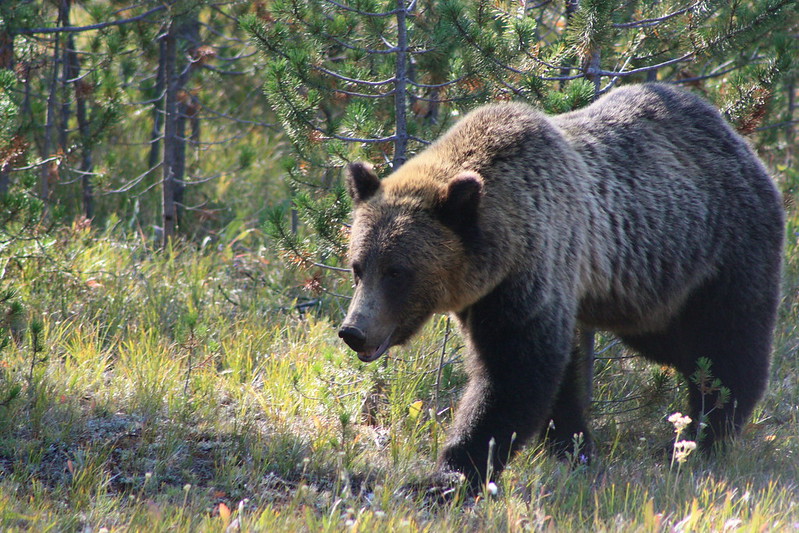
Good news for ski season visitors: bears are hibernating from roughly November through March, so the classic Colorado bear encounter is not really a winter issue. If you are visiting in late spring, summer, or fall, that changes.
If you encounter a bear: stay calm, do not run, back away slowly while facing it, avoid direct eye contact, and speak in a low, calm voice. Bear attacks are genuinely rare, but in the very unlikely event one becomes aggressive, fight back with anything available.
Year round, whatever the season: never leave food, trash, or coolers outside your rental, keep trash lids latched, and do not leave pets unsupervised outdoors. Nearly every problem wildlife encounter in a mountain town traces back to accessible food. Skunks and coyotes are around in town at night and are almost never a threat if you simply do not feed them, deliberately or otherwise.
Report wildlife issues to the Telluride Marshal's Office at (970) 728-3818.
Telluride Safety FAQs
Is Telluride a hard mountain for beginners?
It has real beginner terrain, roughly 23 percent green, and an excellent ski school, but it skews advanced overall. First timers should book lessons and stick to the designated learning areas rather than following stronger friends onto blues on day one.
Do I have to wear a helmet at Telluride?
It is not legally mandatory for adults, but we strongly recommend it and most guests wear one. Rental shops include them, so there is no reason not to.
What happens if I duck a rope at Telluride?
Crossing a rope is against Colorado law and violators are prosecuted. You can also lose your resort privileges for an extended period and receive a formal trespass notice. Beyond the legal side, the terrain on the other side is uncontrolled and unpatrolled.
How do I contact Ski Patrol at Telluride?
Call or text 911 for any true emergency. For patrol specifically, call (970) 728-7585 or flag down the nearest lift operator, who can reach them by radio immediately.
Should I worry about altitude sickness in Telluride?
Plan for it rather than worry about it. Hydrate early, take day one easy, go light on alcohol the first night, and know the warning signs. Most people adjust within a day or two. Supplemental oxygen can be delivered to your rental if you want extra insurance.
Can I ski the backcountry from Telluride?
Yes, and people do, but the San Juans are serious avalanche terrain. Check the Colorado Avalanche Information Center daily, carry and know how to use rescue gear, and strongly consider hiring a certified local guide. Everything outside the boundary is unpatrolled.
Are sleds allowed at Telluride Ski Resort?
No. Sleds of any kind are prohibited on resort trails and lifts at all times. There are designated sledding spots around town instead. Ask our team and we will point you to one.
Where to Stay: Safety Starts With Location
An underrated safety decision is where you sleep. Staying somewhere walkable means fewer icy night drives, easier mid-day retreats when altitude or weather catches up with you, and a short trip home when a kid is done at noon.
- Walk to lift rentals for the shortest possible commute in ski boots.
- Ski-in ski-out rentals if you want zero commute at all.
- Family friendly rentals with space to dry gear and regroup.
- Rentals with hot tubs, which do more for sore legs and recovery than anything else you will do all trip.
Browse all our Telluride winter rentals.
Contact Lodging In Telluride
We are locally owned and have been hosting guests here since 2006. Our team lives on this mountain. If you have a question about conditions, gear, lessons, oxygen, guides, or which run your group can actually handle together, ask us. We would much rather answer it now than after.
Phone: 888-998-6471
Email: Send us a message
Office: 300 S Mahoney Drive, Unit C11, Telluride, CO 81435
Follow along: Facebook, Instagram, YouTube
Check our current specials, browse all our properties, and book direct for the best available rate.
Ski hard. Ski smart. Come back next year.
This guide is general information, not professional instruction or a substitute for avalanche education, guiding, or medical advice. Resort policies, permitted devices, uphill access rules, and season dates are set by Telluride Ski Resort and subject to change. Always confirm current policies at tellurideskiresort.com and follow all posted signage and patrol direction.